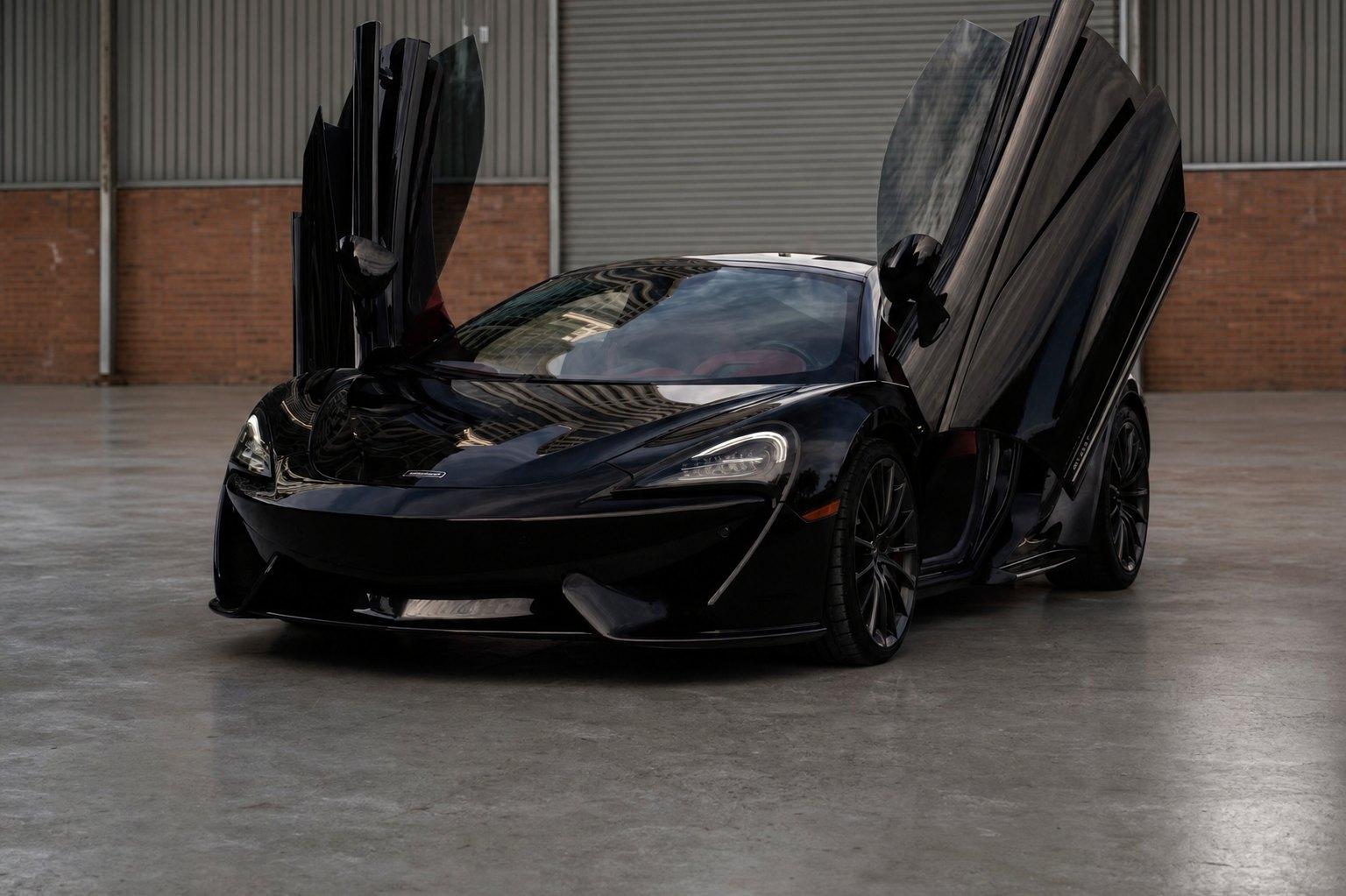
Picture car rental for film production in Atlanta is quoted per production: you send the shoot details, the car comes to set with a handler, and the production carries the insurance. The rates, the certificate requirements and the on-set rules are all on the picture car rental page, and this post does not repeat them. It covers the work that happens before that page is useful: picking the car that suits the scene, and writing a request clear enough that the quote comes back right the first time.
Start from the scene
Most picture car requests open with a car name. The better ones open with a scene. A director who asks for a Lamborghini usually means something more specific: a car that looks expensive in a wide shot, or one that sounds right on a pull-up, or one with room for two actors in the back. Those can be different cars. If the request says what the scene is doing, the reply can tell you which car on the roster does it and which one will fight the frame.
Read the scene for what touches the car. Who sits where. Whether the camera is inside, outside or both. Whether a door opens on camera and stays open through a long take. Whether the car is the subject of the shot or sits behind the actors. A car filling the background of a dialogue scene has very different requirements from the hero of a reveal.
Doors, seats and who is in the shot
Seating decides more picture car choices than looks do. Two actors in the back with the camera through the side glass needs four real doors and a proper rear bench. The Rolls-Royce Cullinan Black Badge has rear coach doors and real seats in the back, and the Cadillac Escalade ESV has three rows if the scene is a whole entourage. The G63 seats five and has a shape people recognise from across a street.
If the scene wants a sports car silhouette with four people in it, the Mercedes-AMG GT 43 is the one to ask about: four doors, four seats and a hatch. Two-seat cars like the Audi R8, the Corvette C8 and the Huracan EVO Spyder read instantly on screen and hold the two people in them and nobody else. Doors can be a shot of their own. The McLaren 570GT has dihedral doors that swing up, and the Rolls-Royce Wraith has rear-hinged coach doors. If the shot is built around a door opening, say so, because it changes where the car can be placed and how much room the frame needs on each side.
Color, finish and the lighting plan
Talk to your gaffer before you pick a color. White carries a wide shot and forgives a lot. The yellow BMW M4 Competition and the red Lamborghini Urus pull the eye wherever they sit in frame, which helps a hero shot and hurts a car meant to stay in the background. Black gloss paint reflects everything around it, which looks good with a skyline in it and needs care with a lighting rig in it. The Lamborghini Urus S is matte black, so it throws very little reflection and reads as a dark shape against the set.
Interior color matters too if the camera goes inside. Several cars on the roster carry red leather, which looks strong on camera and may clash with wardrobe. The studio photos on each car page, reached from the exotic car rental fleet, are a fair reference for how the paint and the cabin behave under controlled light. Send them to your DP and production designer before the request goes out.
Sound and movement
If the car is heard on camera, choose for the engine. The R8 has a naturally aspirated V10 and the Corvette C8 a naturally aspirated V8, with no turbos softening the note. The Huracan EVO Spyder is the only open-top car on the roster, so with the top down there is no roof between the engine and the microphones. The G63 has side-exit exhausts that crack on upshifts. For a dialogue scene that needs clean sound, a quieter car saves takes.
Decide how the car moves before you ask for a quote. A pull-up into frame, a drive-by and a full driving sequence are planned and priced differently, and the method is agreed in the quote. Anything the script asks for beyond the moving-shot options on the production page is a job for a stunt car, and it is worth knowing that before a sequence is storyboarded around a roster car.
Writing the scene breakdown for the quote
The production page lists the basics a quote needs: the car, the times, the location and whether the car moves. Add a short scene breakdown on top of that and most of the follow-up emails disappear. Keep it to a few lines per scene.
- One sentence on what the scene is and what the car is doing in it.
- How many people are in the car, and where they sit.
- Interior, exterior or both, and whether a door opens on camera.
- Day or night, and whether the car is the subject or in the background.
- A first choice and a second car you would accept if the first is booked.
- Anything that touches the paint, flagged even if it is only a maybe.
The last line matters most. Rigging, water and smoke have to be agreed in writing before the day. A maybe raised early costs one short email. Raised on set, it holds up the camera.
Give your broker the quote on day one
The quote for each car states what the certificate has to say. Forward it to the production's insurance broker the day you accept it, and name one person on the production who owns getting the certificate back. A certificate issued straight from the quote tends to be right the first time. One pieced together from memory the night before is how a car ends up late to set. If an actor is going to drive on camera, get their name to the broker before the certificate is issued, so it does not need reissuing.
Planning the car into the day
Put the car on the call sheet like a department. Pick a staging spot close to set with room to pull straight out, and tell the handler when the car is first needed in frame so it is ready before the first setup. If the day has a company move, say where to: a jump from a Midtown street to a West Midtown warehouse is a different plan from staying on one block. Open-top scenes in the Spyder depend on the weather, so build a covered fallback into the schedule if the day has no slack.
Send the dates as soon as the production has them. The cars also carry consumer bookings, and the earlier your dates are locked, the more likely your first choice is free. If the scene changes after the quote, send the new breakdown and the quote is revised in writing.
Have a scene in mind?
Send the scene breakdown with your dates, call and wrap times and location. The quote comes back in writing with the car that suits the scene and the terms for that car.
Request a production quote